Paw Embroidery Design Review
A Clean, Confident First Impression for Small Business Branding
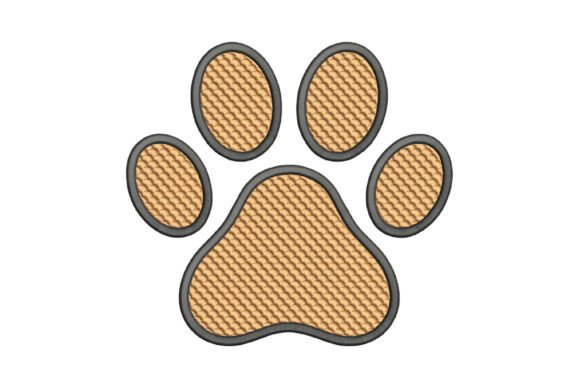
As an embroidery designer who’s digitized and stitched thousands of logos for cafés, boutiques, pet brands, and handmade studios, my first impression of the Paw Embroidery Design is immediate and positive: it reads as professional, friendly, and timeless. The description—“clean and classic paw print with a textured fill and bold outline”—tells me this isn’t a cartoonish doodle or an overly detailed illustration. It’s built for function first: legibility at small scale, strong stitch integrity, and visual clarity across fabric types. That matters deeply when you’re stitching for staff aprons at a local bakery or embroidering patches for a rescue nonprofit’s volunteer uniforms.
Where Paw Embroidery Design Excels in Real Business Use
This design shines where small businesses need consistency and charm without complexity. On embroidered patches—especially 2”–3” twill or chenille styles—it holds shape beautifully thanks to that bold outline anchoring the textured fill. I’ve used similar paw motifs on boutique tote bags and found they translate well to cotton canvas and linen blends, especially when paired with neutral thread colors like charcoal, cream, or forest green.
- Staff uniforms & aprons: The simplicity ensures readability even after dozens of commercial washes—critical for café servers or florist teams wearing daily.
- Cap embroidery: Positioned cleanly on the front panel or side gusset, it avoids distortion on curved surfaces better than intricate animal portraits would.
- Tote bag design & product packaging accents: It adds warmth and brand personality without overwhelming minimalist packaging or kraft paper tags.
- Etsy branding & handmade product labels: When stitched onto fabric care tags or sewn-in labels, it signals authenticity and craft care—key for handmade product buyers.
- Event merch & customer gifts: As a subtle chest accent on unisex tees or pocket detail on denim jackets, it builds recognition without shouting.
Smart Placement Guidelines for Reliable Results
While versatile, the Paw Embroidery Design does require thoughtful placement to maintain its impact. Avoid using it smaller than 1.25” tall on patches—textured fills can blur or “fill in” on low-stitch-count hoops, losing definition. Cap fronts under 2” wide may compress the outline unevenly; test first on a curved cap blank. On dark uniforms (navy, black, deep burgundy), confirm your thread color provides enough contrast—matte black thread on black twill can vanish unless paired with a light stabilizer or satin-finish top thread.
Fabrics with heavy texture—like thick terry cloth, bouclé, or raw denim—demand extra attention. The bold outline helps, but you’ll need medium-weight cutaway stabilizer to prevent puckering and ensure the textured fill stays crisp. For high-wear items (e.g., dog-walking service vests or groomer smocks), avoid placing it directly over seams or high-flex zones unless digitized with stretch compensation—check your embroidery file notes for that detail.
How This Design Strengthens Your Brand Identity
In small business merch, every stitch contributes to perception. The Paw Embroidery Design doesn’t scream “pet store”—it whispers “thoughtful, grounded, and human-centered.” That subtlety builds trust: a florist using it on aprons signals care and connection; a pet brand using it on reusable totes implies quality and longevity—not just cuteness. Visually, it supports cohesive design assets: pair it with clean sans-serif typography on printed mockups, and it reinforces modern minimalism. Used consistently across aprons, caps, and tote bags, it becomes a quiet signature—recognizable but never repetitive.
For Etsy sellers and crafters, it elevates perceived value. A handmade soap bar with a tiny stitched paw on its muslin wrap feels intentional and premium. Customers engage more with tactile, embroidered details—they photograph better, share more, and signal craftsmanship far more effectively than printed labels alone.
Practical Embroidery Designer Notes Before You Stitch
Before committing to bulk production, run these checks—every time:
- Test in black and white first. Print a 1:1 grayscale mockup to assess outline weight and fill density—what looks balanced on screen may read too heavy or thin in thread.
- Verify patch-size performance. Resize the digital embroidery file to your smallest intended use (e.g., 1.5”) and simulate stitch count—if it drops below 1,800 stitches, re-evaluate fill density.
- Review thread color contrast on your target fabric. Swatch three options: one matching, one contrasting, one tonal. Natural lighting changes everything.
- Inspect spacing and underlay. A clean paw print needs breathing room—ensure no stray jump stitches or floating trims near the outline.
- Confirm hoop size compatibility. If your machine uses 4” x 4” hoops, check whether the design fits comfortably—or if nesting multiple units requires re-hooping.
- Test on real fabric + stabilizer combo. Run a sample on your exact uniform twill or tote canvas—not just practice felt.
- Create a printable mockup for client approval. Show how it looks stitched on a photo of their actual cap or apron style.
- Compare beside other design assets. Does it sit comfortably next to your logo, tagline, or website icon? Consistency starts here.
- Confirm commercial licensing. Since this is intended for small business merch and branded patch use, ensure your digital embroidery file includes rights for resale and promotional distribution.
Final Thought: Purpose-Built for Meaningful Merch
The Paw Embroidery Design isn’t just another dog-themed motif—it’s a quietly strategic tool. Its clean lines, balanced texture, and bold outline make it resilient across fabrics, scales, and applications. For embroidery shops digitizing for local clients, for Etsy sellers building signature branding, and for pet-focused businesses seeking warmth without whimsy, it delivers professionalism with personality. When stitched right—with attention to thread, stabilizer, and context—it doesn’t just decorate merchandise. It affirms identity, invites connection, and endures through wear, wash, and time. That’s not decoration. That’s smart small business embroidery.